🌱 Book Notes: How to ADHD
Last updated: 1 month, 1 week ago
Background
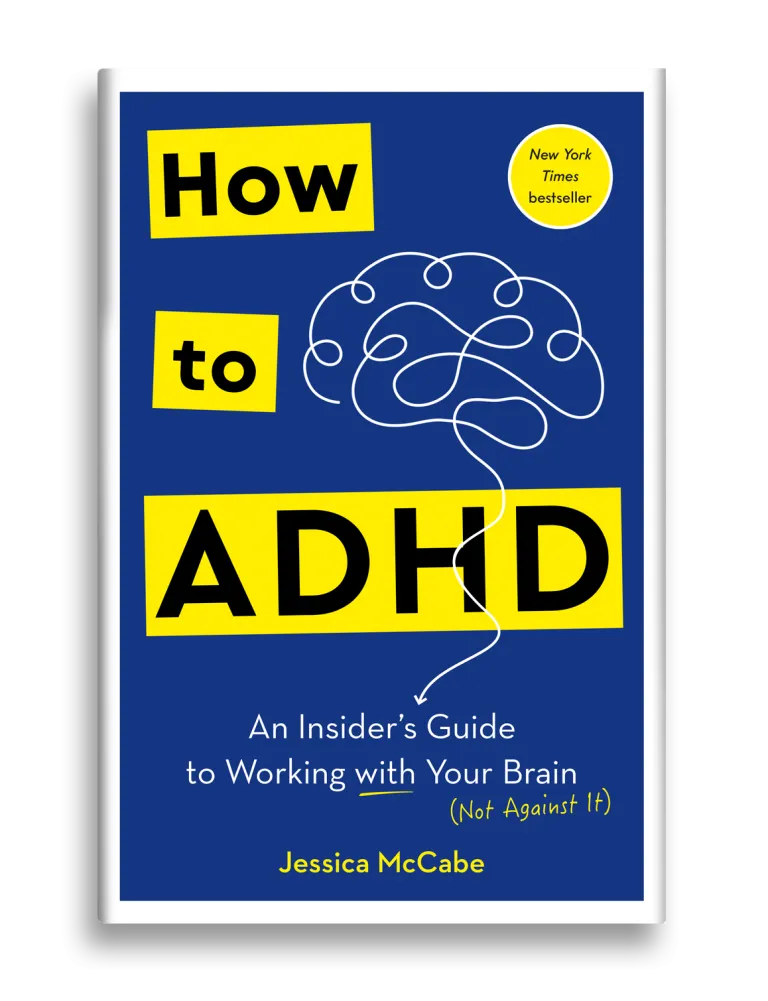
I bought this book on May 2025 in an effort to understand the condition. Since then, I have had several moments of internal reflection. I am making available the toolbox section along some notes in an effort to improve my lifestyle and well-being. I'll add content warnings if I feel like my reflections require so.
Chapter 1: How to Fail At Everything
The "Toolbox"
- Denial
- Apologizing
- Begging
- Trying to do better next time
- Trying harder
Reflection
Chapter 2: How to ADD ADHD
The Toolbox
- Take ADHD Seriously
- Connect with Others
- Work with your brain, not against it
- Focus on what does work, not what should
- Build a toolbox with strategies for tough times and tasks.
- Do the most challenging work when brain works best.
- When possible, choose ADHD-friendly products and services.
- Ask for tools and accommodations or provide them yourself.
- Approach tasks as a negotiation.
Reflection
Chapter 3: How to (Hyper)focus
The Toolbox
- Boost the Signal and Decrease the Noise
- Create clear cues.
- Lay down the tracks.
- Fight distraction with distraction.
- Practice non-judgemental Redirection
- Practice mindfulness.
- Install some bumpers.
- If stuff pops up, put it down on paper.
- Make space for (hyper)focus and install bumpers
- Create the right conditions for hyperfocus
- Establish cutoff time
- Leave yourself breadcrumbs.
- Move your body
- Exercise.
- Explore alternative "seating"
- Go to another room.
- Rest your brain
- Take brain breaks.
- Plan time away from your tasks.
- Take a break from self-reg.
Reflection
Chapter 4: How to (Executive) Function
The Toolbox
- Have less stuff to manage
- Delegate areas of responsibility
- Keep systems simple
- Practice minimalism
- Say no (to at least some things)
- Accommodate yourself
- Add scaffolding
- Self-advocate
- Ask for formal accommodations
- Account for the ADHD Tax
- Use services for tasks that aren't error tolerant.
- Set up shortcuts.
- Invest in tools that can help.
- Build what works for you
- Look at what's worked for you
- Look at what you currently do.
- Consider your preferences.
- Remember that you have ADHD
Reflection
Chapter 5: How to Sleep
The Toolbox
- Prioritize (the right amount of) sleep
- Practice "good" sleep hygiene
- Time your stimulants
- Avoid conflict right before bed.
- Keep bedtime and wake times as consistent as possible.
- Associate your bed with sleep.
- Motivate yourself to sleep
- Get your needs met during the day.
- Create wind-down rituals you enjoy.
- Consider your sensory.
- Work with your chronotype
- Figure out your chronotype.
- Plan to tackle focus-heavy work when you're most alert
- Prep for mornings
- Create light cues
- Have a backup plan
- Sleep somewhere else
- Rest
- Make a wake-up plan
Reflection
Chapter 6: How to See Time
The Toolbox
- Build up your "time wisdom"
- When you plan, work backward
- Track your time
- Notice where you're "stealing" time
- Make time real
- Get specific
- Use "time pillars" to prop up your day.
- Create some "time buckets"
- Communicate about time
- Ask for help prioritizing
- Share your plan with others and get a reality check.
- Before committing to something, ask what it entails
- Ask for time-related accommodations, if needed
- Have times when time doesn't matter
- Sequence instead of schedule
- Keep some days meeting free
- Set aside "flexible" days
- Take a time vacation